Weed Snobs Are Ruining Cannabis Culture — And the Industry Is Letting It Happen

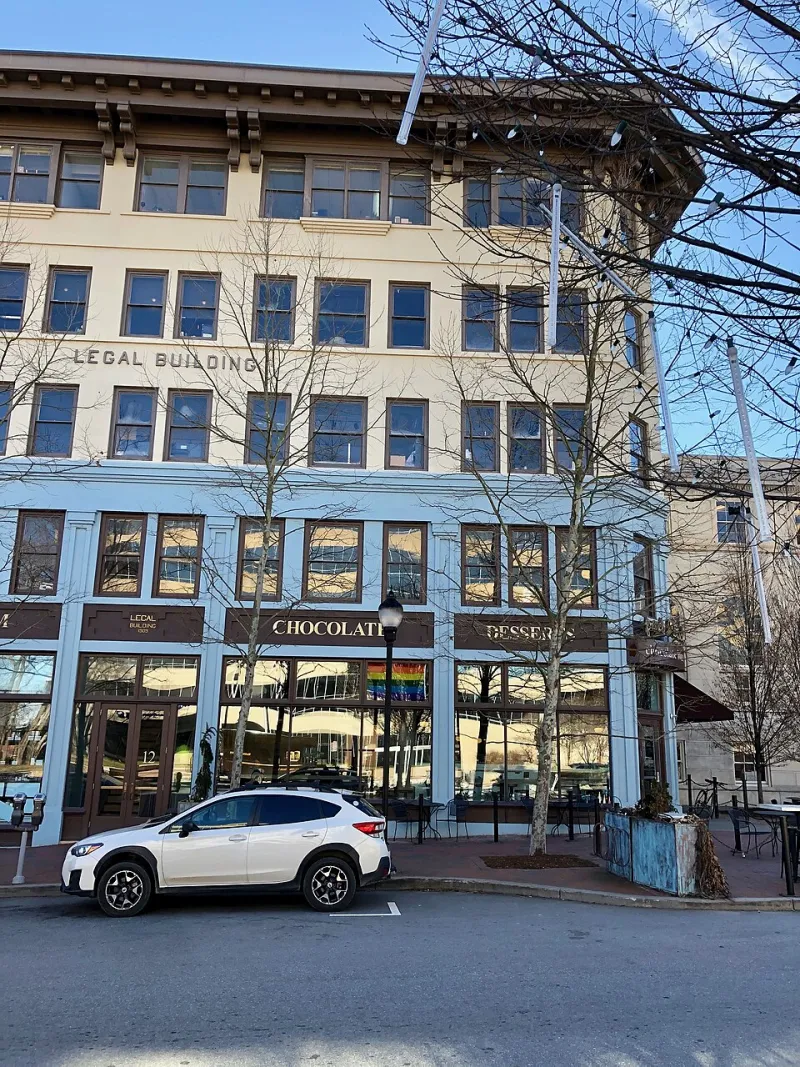
Photo: epSos.de, CC BY 2.0, via Wikimedia Commons
Walk into any upscale dispensary in California, Colorado, or New York these days and you might feel like you accidentally wandered into a Napa Valley tasting room. Budtenders talk about "nose" and "finish." Product cards list flavor profiles like "bergamot, fresh pine resin, and a whisper of black pepper." Strain names read like they were generated by a poetry AI after watching too many nature documentaries — Sunset Sherbet, Runtz, Grease Monkey, Jealousy.
It's a lot. And honestly? For a lot of everyday cannabis consumers, it's alienating as hell.
The cannabis industry didn't stumble into this language by accident. It borrowed it — deliberately, strategically — from the wine and craft spirits world. The logic was simple: if you want legal weed to be taken seriously, you make it sound sophisticated. You give it the vocabulary of connoisseurship. You make it aspirational.
But somewhere between the marketing pitch and the actual dispensary shelf, something went sideways. What started as an attempt to legitimize cannabis has quietly built a new kind of gatekeeping — one that makes everyday consumers feel like they need a degree in botany and a refined palate just to buy a pre-roll.
The Terpene Hype Machine
Let's talk about terpenes for a second, because this is where the pseudo-science gets thick.
Terpenes are real. They're the aromatic compounds found in cannabis — and in thousands of other plants — that contribute to scent, flavor, and potentially to how a strain affects you. Myrcene, limonene, caryophyllene, linalool: these are legitimate chemical compounds that researchers are genuinely studying. The so-called "entourage effect" — the idea that cannabinoids and terpenes work together to shape your experience — is a real area of scientific inquiry, even if the research is still catching up to the marketing.
The problem isn't that terpenes exist. The problem is that the industry has weaponized them.
Dispensaries now sell terpene profiles the way luxury car dealerships sell trim packages — as markers of status and sophistication. Products with detailed terpene breakdowns command higher prices. Consumers who can rattle off their preferred terpene ratios are treated like insiders, while the person who just says "I want something that helps me sleep" gets handed a tablet with a flavor wheel and a lot of earnest eye contact.
And here's the kicker: a lot of the terpene data on product labels is either incomplete, inaccurate, or just vibes dressed up as science. Testing standards vary wildly from state to state. Some labs measure terpenes more reliably than others. The terpene content in your actual product may have degraded significantly by the time it reaches the shelf. But the label still says "dominant terpene: myrcene" with great confidence, and somewhere a consumer is nodding like they understand exactly what that means for their Tuesday night.
Strain Names: Branding Over Biology
If terpene culture is the intellectual gatekeeping, strain naming is the cultural gatekeeping.
Once upon a time, strain names were relatively straightforward — geographic (Afghan Kush, Panama Red), descriptive (White Widow, Sour Diesel), or just stoner-creative (AK-47, Trainwreck). Now the naming game has become pure brand theater.
The cannabis market is flooded with proprietary strain names that vary by dispensary, by state, and sometimes by batch. The same genetic cross can be sold under a dozen different names depending on who grew it and who's marketing it. Conversely, the same name can refer to wildly different genetics depending on where you buy it. "Gelato" in a Denver dispensary may share almost nothing genetically with the "Gelato" sold in a Chicago shop.
This isn't just confusing — it's actually harmful to consumers who rely on consistency, particularly medical patients who've found something that works for them and want to find it again. The strain name system, as currently practiced, serves brands and breeders far more than it serves the people buying the product.
Who Gets to Be an Expert?
Here's where the class system angle really bites.
The rise of the "cannabis sommelier" — an actual certification that exists, offered by multiple organizations — is a fascinating cultural development. On one hand, building genuine expertise around cannabis is a worthy goal. Understanding cultivation, genetics, chemistry, and effects is legitimately complex, and having trained professionals who can guide consumers thoughtfully is a good thing.
On the other hand, the way expertise is being packaged and sold in the cannabis space has some uncomfortable implications.
Who can afford to pursue cannabis sommelier certifications? Who has the time and money to develop a refined "cannabis palate" by sampling premium products across multiple price tiers? Who feels comfortable walking into a high-design dispensary and engaging in a long conversation about terpene profiles without feeling out of place?
Spoiler: it's not the communities that built cannabis culture in the first place.
For decades, Black and brown communities carried the legal and social risk of cannabis use while white consumers largely got to enjoy it recreationally with far less consequence. Now that the legal market has arrived, the culture is being repackaged for an affluent consumer base — with the language, aesthetics, and gatekeeping mechanisms that come with that repositioning. The people who were most criminalized for cannabis are now the least likely to feel welcome in the spaces where it's being celebrated.
That's not an accident. It's a market choice. And it deserves to be called out.
What Good Cannabis Education Actually Looks Like
None of this means we should abandon the idea of cannabis education. Quite the opposite. Free The Weed has always stood for education as a core pillar of legalization — because informed consumers make better choices, and because demystifying cannabis is part of dismantling the stigma that kept it illegal for so long.
But education and elitism are not the same thing.
Good cannabis education starts with the basics: what are cannabinoids, what's the actual difference between indica-leaning and sativa-leaning effects (and why that binary is oversimplified), how do different consumption methods affect onset and duration, what does potency actually mean in practical terms, and how do you figure out what works for your body and your goals.
Good cannabis education is accessible — in plain language, across multiple formats, in multiple languages, and in spaces that don't make people feel like they need to earn their right to be there.
Good cannabis education is honest about what we don't know yet. The science is still developing. That's okay. "We're not sure yet, but here's what we do know" is a more trustworthy message than a flavor wheel that claims to predict your high.
The Bottom Line
The cannabis industry has a choice to make. It can keep leaning into the sommelier aesthetic — the premium positioning, the tasting notes, the aspirational branding — and accept that it's building a market that works for a narrow slice of consumers. Or it can commit to something more radical: genuine accessibility, honest labeling, and an educational culture that invites everyone in rather than sorting people by how much they already know.
Legalization was supposed to free the weed. Not hand it to a new class of gatekeepers with better vocabulary.
Your experience with cannabis is valid whether you can identify caryophyllene by smell or you just know that the green stuff with the orange hairs helps your back pain. Don't let anyone — dispensary, brand, or budtender — make you feel otherwise.