Cleared on Paper, Haunted in Real Life: The Hidden Failures of Cannabis Expungement
Photo: Warren LeMay from Cincinnati, OH, United States, CC0, via Wikimedia Commons
Let's say you caught a cannabis possession charge fifteen years ago. Maybe it was a joint in your car, a small bag in your jacket pocket, or a pipe found during a traffic stop. You did your time — probation, fines, community service, whatever the court decided. And now, finally, your state has passed an expungement law. Your record is sealed. Officially, legally, it never happened.
Except it kind of still did.
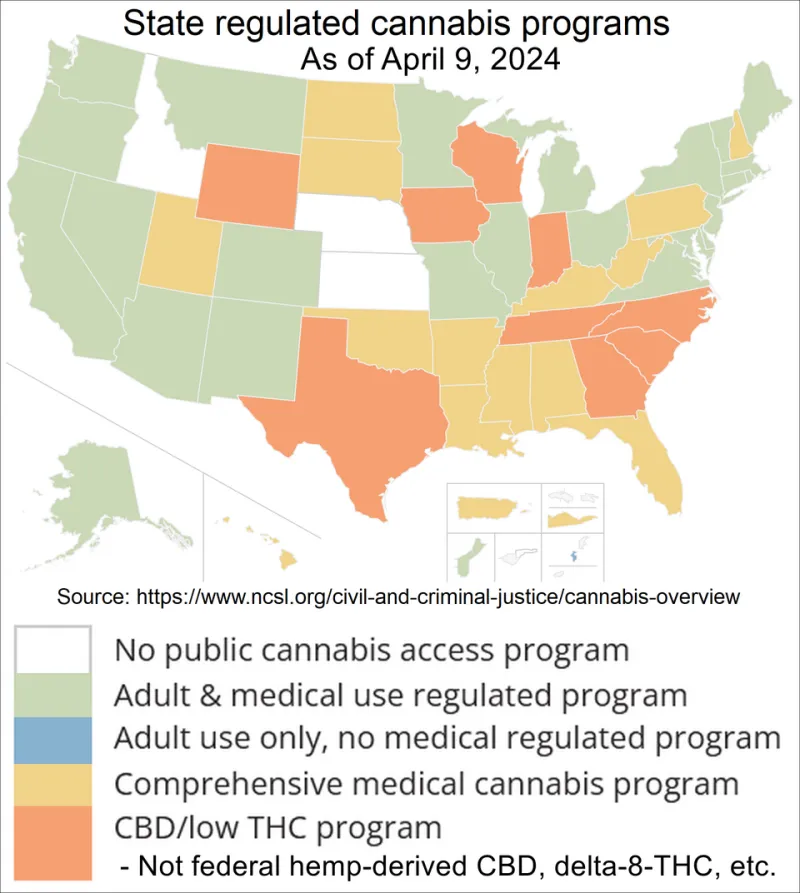
Across the country, advocates and legislators are celebrating expungement as the crown jewel of cannabis reform. And sure, clearing hundreds of thousands of low-level convictions off the books is genuinely meaningful progress. Nobody's saying otherwise. But there's a version of this story that isn't getting nearly enough airtime: the one where people go through the expungement process, get their records sealed, and then still get rejected from apartments, turned down for jobs, and denied opportunities — because the system has a shadow side that the law didn't bother to address.
The Gap Between Official Records and the Real World
Here's the thing most people don't know: expunging your record with the state doesn't automatically scrub it from everywhere. Government databases and private databases are two very different animals, and the private sector has been quietly building its own ecosystem of background check data for decades.
Companies like LexisNexis, Checkr, Sterling, and dozens of smaller data brokers have been aggregating court records, arrest logs, and public filings for years. They sell this information to landlords, employers, gig economy platforms, and financial institutions. When a state seals a record, it tells its own courts and law enforcement agencies to stop reporting that information. But it doesn't — and in most cases legally can't — force a private company to delete data it already collected.
That means your expunged cannabis conviction might still be sitting in a commercial database, waiting to surface the next time a landlord runs a tenant screening or an employer orders a background check. The state says it never happened. The data broker says it absolutely did.
Automatic Expungement Still Has Manual Problems
A growing number of states — California, Illinois, New Jersey, and others — have moved toward automatic expungement, which sounds like the gold standard. Instead of requiring individuals to navigate a complicated petition process, the state proactively identifies and clears eligible records. No paperwork, no lawyers, no court fees.
But automatic doesn't mean instant, and it definitely doesn't mean perfect. Implementation has been notoriously slow and inconsistent. In California, the process has taken years longer than promised, with hundreds of thousands of cases still backlogged. In Illinois, county-level inconsistencies have meant that people in some jurisdictions got their records cleared quickly while others waited years for the same relief.
And even when the process completes, individuals often have no easy way to confirm their record was actually cleared — or to know whether that clearance has propagated to the databases that actually affect their daily lives.
What Landlords and Employers Are Actually Seeing
Talk to anyone who works in tenant advocacy and they'll tell you: background screening companies are a mess. They pull from multiple sources with varying levels of accuracy, and they're notoriously slow to update when records change. The Fair Credit Reporting Act technically requires that background check companies maintain accurate information and correct errors when they're reported — but the burden of proving an error and getting it fixed almost always falls on the individual.
For someone who just went through the already-exhausting process of getting their cannabis conviction expunged, being told they now need to dispute their record with three different private data companies — submitting documentation, waiting weeks, potentially hiring legal help — is a cruel joke. Many people simply give up. They lose the apartment. They don't get the job. They assume something is wrong with them rather than with the system.
Gig economy platforms are particularly problematic. Companies like Uber, DoorDash, and Instacart use automated background screening tools that may flag expunged records before a human ever reviews them. Appeals processes are opaque and slow, and there's often no meaningful accountability when an algorithm incorrectly disqualifies someone.
The Advocacy Blind Spot
The cannabis reform movement deserves real credit for pushing expungement to the top of the legislative agenda. But there's a blind spot baked into the way these victories are framed and celebrated.
When a governor signs an expungement bill, there's a press conference. There are advocates holding signs, legislators shaking hands, and press releases about how many records will be cleared. What there usually isn't is a serious conversation about what happens to those people six months later when they're still getting rejected from housing because a background screening company never got the memo.
True expungement reform needs to include:
- Mandatory notification requirements that force private data brokers to update or delete records within a specific timeframe after a state expungement
- Private right of action so individuals can sue data brokers who continue to report sealed records
- State-funded legal support to help people navigate disputes with background check companies
- Audit requirements to verify that expungements are actually being implemented and that cleared individuals aren't still facing downstream consequences
- Gig platform accountability with specific rules about how automated screening tools handle expunged records
Without these kinds of provisions, expungement becomes a performative gesture — something politicians can point to as proof they care about cannabis justice without actually ensuring that justice reaches the people who need it.
Who Gets Left Behind
It's worth being honest about who bears the heaviest burden when expungement falls short. Cannabis enforcement in the U.S. has never been applied equally. Study after study confirms that Black Americans are significantly more likely to be arrested for cannabis offenses than white Americans, despite similar usage rates. That means the failures of expungement implementation fall disproportionately on Black communities — the same communities that were most aggressively targeted during decades of prohibition.
If clean slate legislation isn't actually delivering clean slates, it's not just a policy failure. It's a continuation of the same inequity the policy was supposed to address.
What You Can Do Right Now
If you or someone you know has had a cannabis conviction expunged, here are some concrete steps worth taking:
- Request a copy of your background check from a major screening company like Checkr or Sterling to see what data they have on file.
- File a dispute if you find inaccurate or sealed records. The FCRA gives you the right to do this.
- Contact a legal aid organization in your state — many have cannabis-specific resources for exactly this situation.
- Document everything if you're denied housing or employment based on a record you believe was expunged. You may have legal recourse.
Expungement is a start. But a fresh start means actually getting a fresh start — not just a piece of paper that says you should have one. The movement needs to push harder, dig deeper, and stop celebrating half-measures as finished work. The people most harmed by the war on cannabis deserve better than that.