From the Couch to the Capitol: How Everyday Cannabis Consumers Are Driving the Legalization Movement
For decades, the image of a cannabis consumer in American politics was used as a punchline. Lazy. Apathetic. Too stoned to vote. Politicians leaned into that stereotype like it was a crutch, betting that the people most affected by prohibition would never organize against it.
They were wrong.
All over the United States, cannabis consumers — not just industry insiders or well-funded lobbying groups — are showing up in a serious way. They're knocking on doors, flooding city council meetings, testifying before state legislatures, and registering new voters in dispensary parking lots. The grassroots cannabis advocacy movement is real, it's growing, and it's changing what's politically possible.
Who's Actually Doing This Work?
When most people think about cannabis advocacy, they picture industry trade groups or well-connected lobbyists dropping money on politicians. And sure, that stuff happens. But the engine driving actual ballot measure victories in states like Arizona, New Jersey, and Montana? That's been everyday people.
Organizations like NORML — the National Organization for the Reform of Marijuana Laws — have chapters in nearly every state, and a significant chunk of their volunteer base is made up of consumers who just got tired of being criminalized for something they believe in. Groups like the Marijuana Policy Project (MPP) and Students for Sensible Drug Policy (SSDP) have built real infrastructure around consumer-driven organizing, training advocates to speak to lawmakers in language that actually lands.
Then there are the hyper-local efforts that rarely make national headlines. Think of advocates in rural Ohio hosting town halls about medical cannabis access, or a collective of Black consumers in Georgia pushing for expungement legislation because they've watched their community get gutted by weed arrests for generations. These aren't paid operatives. These are people who care.
The States Where Consumer Pressure Actually Moved the Needle
Let's talk about where grassroots organizing has had the clearest impact.
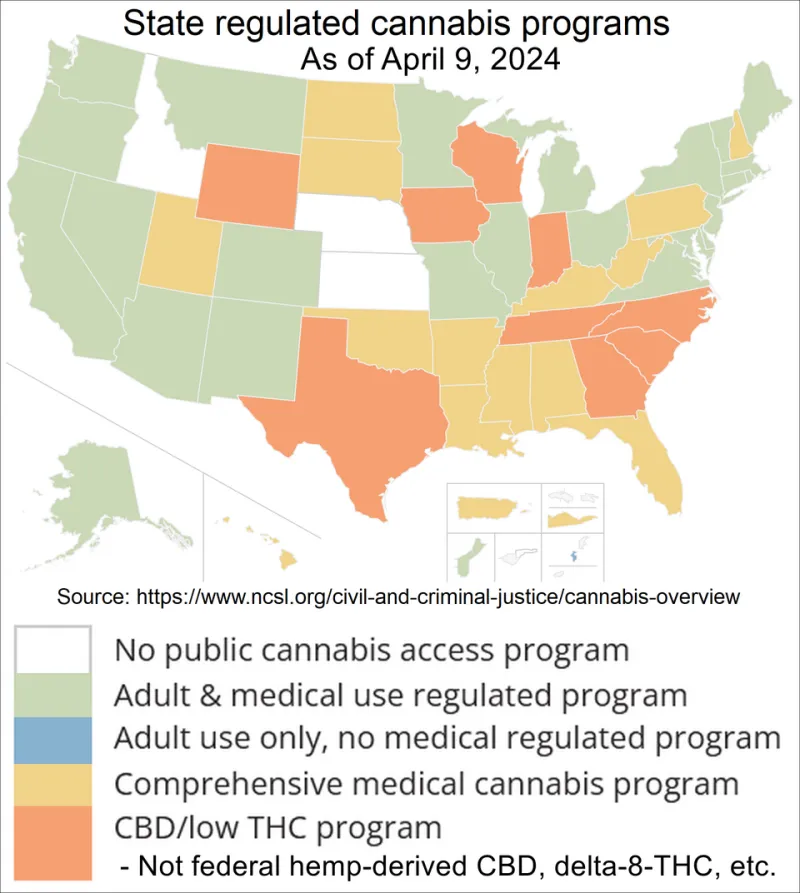
Michigan legalized recreational cannabis in 2018 through a citizen-initiated ballot measure — meaning consumers gathered enough signatures to put it directly before voters, bypassing a legislature that wasn't ready to act. The campaign was powered heavily by volunteers, many of them cannabis users who had been waiting years for this moment.
New Mexico is another solid example. After years of failed legislative attempts, a coalition that included medical patients, consumers, and social justice advocates pushed hard enough that lawmakers finally passed legalization in 2021. Patient advocates were especially vocal, showing up to hearings and making it clear that this wasn't a fringe issue.
South Dakota made history in 2020 when voters approved both medical and recreational cannabis in the same election — only to have the governor immediately challenge the recreational measure in court and win. But here's the thing: consumers didn't give up. They came back, regrouped, and the fight continues. That kind of resilience doesn't come from a lobbying firm. It comes from people who are personally invested.
The Playbook: How to Actually Get Involved
If you've been watching this movement from the sidelines and thinking, I should do something — here's your starting point.
1. Find your local NORML chapter. This is the easiest on-ramp. NORML chapters host events, connect you with other advocates, and often have direct lines to state legislators. If there isn't a chapter near you, you can start one.
2. Register to vote and actually show up. This sounds obvious, but cannabis policy is often decided at the state and local level in elections with embarrassingly low turnout. Your vote carries more weight in a state legislative race than in a presidential election. Know your candidates' positions on cannabis before you fill out your ballot.
3. Show up to public comment periods. State legislatures and local governments hold public hearings on cannabis legislation all the time. Showing up — in person or virtually — and giving testimony as a consumer, a patient, or a community member has real impact. Lawmakers respond to constituent presence in ways they don't respond to form emails.
4. Talk to people who don't already agree with you. The most effective advocates aren't preaching to the choir. They're having conversations with neighbors, family members, and coworkers who might be persuadable. Personal stories are more powerful than statistics.
5. Push your representatives directly. Call their offices. Send letters. Show up to town halls. Most state legislators have never had a single constituent contact them specifically about cannabis policy. You'd be surprised how much a handful of persistent, articulate constituents can shift a lawmaker's thinking.
The Stigma Is the Strategy — And It's Failing
Prohibitionists have always relied on the idea that cannabis consumers are too disorganized and too marginalized to fight back effectively. That calculation is getting harder and harder to sustain.
Polling consistently shows that a majority of Americans support legalization — including a growing number of Republicans and older voters who once formed the backbone of the anti-cannabis coalition. The political risk of opposing legalization is rising. The political opportunity in supporting it is expanding.
And the people making that happen aren't just the suits in the boardroom. They're the folks who've been consuming cannabis for years, watching friends get arrested, watching patients get denied access, watching tax revenue go uncollected while prohibition budgets bloat — and finally deciding they've had enough.
The movement to free the weed has always had consumer-advocates at its core. Now they're learning to play politics. And the results are speaking for themselves.
Your Move
You don't have to run for office. You don't have to quit your job and become a full-time activist. But if you consume cannabis — medically, recreationally, or both — you have a stake in this fight, and your voice matters more than you probably think.
The couch is comfortable. But the capitol is where the decisions get made. The good news? You don't have to choose one forever. You just have to show up when it counts.