Same Gummy, Different Trip: The Dirty Truth About THC Dosing in Legal Edibles
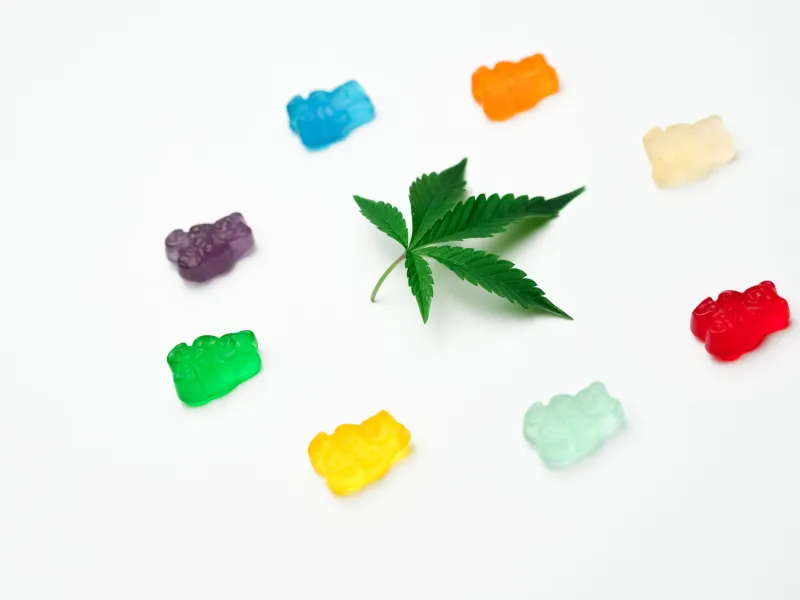
You did everything right. You walked into a licensed dispensary, talked to a budtender, picked up a reputable brand of 10mg THC gummies, and ate one before bed like a responsible adult. Then you either felt absolutely nothing — or woke up three hours later convinced the ceiling was breathing.
Sound familiar? You're not alone. And no, it's not all in your head.
Across legal cannabis markets from California to Colorado to Michigan, edibles dosing is a mess. A well-documented, industry-wide, nobody-wants-to-talk-about-it mess. The label says 10mg. The actual THC content? That's a whole other story.
The Numbers Don't Lie — But the Labels Might
Independent testing has repeatedly shown that cannabis edibles routinely miss their labeled potency by margins that would be completely unacceptable in any other consumer product. A 2022 study published in the Journal of Cannabis Research found that roughly 25% of tested edibles were under-dosed by more than 10%, while another significant portion came in over their labeled amount — sometimes dramatically so.
Think about what that means in practice. A package of ten 10mg gummies is supposed to deliver 100mg total. If the THC isn't evenly distributed throughout the batch — and often it isn't — one gummy might carry 4mg while another in the same bag packs 22mg. You have no way of knowing which one you're eating.
This isn't a fringe problem. It's baked into how many edibles are made.
Why Homogenization Is Harder Than It Sounds
Here's the technical reality: getting cannabinoids to distribute evenly throughout a food product is genuinely difficult. When you're infusing THC into a gummy, a chocolate bar, or a caramel, the oil-based cannabinoids don't naturally want to blend uniformly with water-based ingredients. Without pharmaceutical-grade emulsification equipment and rigorous batch testing, hot spots — concentrated pockets of THC — form throughout the product.
Large, well-funded manufacturers have invested in the kind of homogenization technology that minimizes this problem. But the legal cannabis industry is still dominated by small and mid-size operators working on tight margins, aging equipment, and production timelines that don't always allow for the kind of quality control that pharmaceutical manufacturers take for granted.
And here's the kicker: the testing protocols in most states don't catch it. Most state regulations require that a single sample from a batch be tested before the product ships. One sample. From one corner of one batch. If the rest of that batch is inconsistent, no one will ever know — until a consumer finds out the hard way.
Regulators Are Looking the Other Way
So why aren't state cannabis regulators cracking down harder? The honest answer is a combination of limited resources, political pressure, and a regulatory framework that was never designed with pharmaceutical precision in mind.
State cannabis agencies are typically underfunded relative to the size of the industry they're overseeing. Testing labs are third-party businesses operating in a competitive market — and there's longstanding concern in the industry that some labs are motivated to pass products rather than fail them, because their clients keep coming back. The term "lab shopping" — where a producer sends samples to multiple labs until they get a passing result — is an open secret.
Federal illegality makes everything worse. Because cannabis remains a Schedule I substance, the FDA has no jurisdiction over edibles dosing accuracy. There's no federal baseline standard. No national testing protocol. No mandatory recall process when products are found to be mislabeled. Each state is essentially making it up as they go, and consumers are the ones absorbing the risk.
Who Gets Hurt Most
For a recreational consumer looking for a relaxing evening, an inconsistently dosed gummy is an annoyance. For a medical patient, it can be genuinely dangerous.
Seniors managing chronic pain, cancer patients using cannabis to combat nausea from chemotherapy, people with anxiety disorders relying on precise low doses to stay functional — these are people who need to know exactly what they're consuming. A surprise 40mg experience when you were expecting 10mg isn't a funny story for someone managing a serious health condition. It can mean a trip to the emergency room, a terrifying anxiety episode, or a loss of trust in a medicine that was actually helping them.
Medical cannabis patients in particular deserve better than this. They've fought for the right to use cannabis as medicine. The least the industry can do is make sure the medicine is accurately labeled.
What You Can Actually Do Right Now
Until the industry gets its act together, here are some practical ways to protect yourself:
Start lower than the label suggests. If a gummy says 10mg, treat it like it might be 15. Especially if it's a brand you haven't tried before.
Go slow on the re-dose. The golden rule of edibles — wait at least two hours before deciding it's not working — exists for a reason. Inconsistent dosing makes this even more important.
Stick with brands that publish batch-specific COAs. A Certificate of Analysis (COA) from a third-party lab should be available for every product you buy. Better manufacturers post these online by batch number. If a brand doesn't make this easy to find, that tells you something.
Look for nano-emulsified products. Some manufacturers use nano-emulsification technology that genuinely improves cannabinoid distribution. It's not a guarantee, but it's a meaningful upgrade over conventional infusion methods.
Buy from dispensaries that can answer questions. A good budtender should be able to tell you which edibles brands have a reputation for consistency. If they shrug, find a different shop.
What the Industry Needs to Do
The fixes aren't complicated — they're just expensive and politically inconvenient.
States need to mandate multi-point batch testing, not single-sample testing. The acceptable variance on labeled potency needs to tighten significantly; many states currently allow a 20% variance in either direction, which is wildly permissive. Lab accreditation standards need to be strengthened, and lab shopping needs to be explicitly prohibited with real enforcement behind that prohibition.
On the federal level, descheduling cannabis would allow the FDA to step in and apply consistent national standards — the same standards that govern every other consumable product in America. That's not a radical ask. It's the baseline of consumer protection.
The cannabis industry loves to talk about legitimacy. It loves the dispensary-as-boutique aesthetic, the sleek packaging, the farm-to-table branding. But legitimacy isn't just about aesthetics. It's about delivering what you promised on the label, every single time, to every single customer.
Right now, too many legal edibles aren't doing that. And until regulators get serious and manufacturers invest in the infrastructure to do this right, consumers are the ones rolling the dice.
Free the weed — but free it responsibly. Patients and consumers deserve accuracy, not a guessing game with their medicine.