Grow Your Own: The Cannabis DIY Movement That's Taking Root Across America
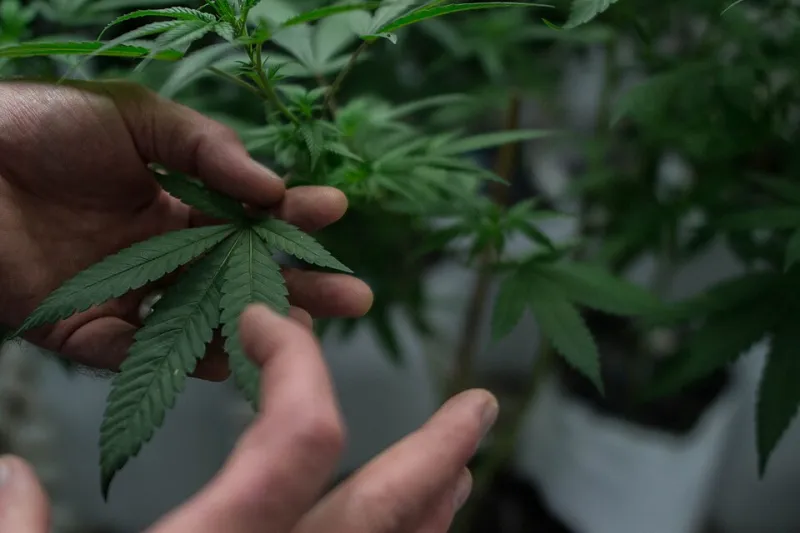
Photo: Daniel Oberhaus, CC BY-SA 4.0, via Wikimedia Commons
There's something almost rebelliously American about growing your own. Tomatoes, peppers, herbs — the backyard garden has always been a symbol of self-sufficiency. Now, cannabis is joining that tradition in a big way, and the people behind it aren't who you might expect. We're talking retired schoolteachers, software engineers, parents in the suburbs, apartment dwellers with a spare closet and a YouTube education. The homegrow revolution is here, and it's a lot more mainstream than the headlines suggest.
Why People Are Walking Away From the Dispensary
Let's start with the obvious one: money. Legal cannabis is expensive. Like, really expensive. Between cultivation taxes, testing fees, licensing costs, and retail markups, an ounce of flower at a licensed dispensary can run anywhere from $150 to $300 depending on your state. Meanwhile, experienced home growers routinely report producing the same quantity for somewhere between $20 and $50 in operating costs once they've got their setup dialed in.
That math is hard to ignore, especially for heavy consumers or medical patients who rely on cannabis daily. "I was spending close to $400 a month at the dispensary," says Marcus, a 41-year-old IT contractor in Michigan who started growing two years ago. "Now I spend maybe $50 a month on electricity and nutrients. I've got more weed than I know what to do with, and it's better than anything I was buying."
But it's not just about cost. Quality control is a massive part of the appeal. Dispensary cannabis, for all its lab-tested legitimacy, is often grown at commercial scale under conditions optimized for yield and shelf life rather than peak potency or terpene expression. Home growers can choose their genetics obsessively, dial in their environment, and harvest at the exact moment they want. The result, many argue, is simply better weed.
Then there's the autonomy factor — and this one runs deep. For medical patients especially, having a reliable, self-managed supply means never running out, never depending on dispensary hours or inventory, and never being at the mercy of price fluctuations. "I have a condition that requires consistent dosing," explains Diane, a 58-year-old patient in Colorado who has been growing her own medicine for three years. "The dispensary is fine when it works, but I've had strains I depended on just disappear from shelves. Growing my own means I'm in control of my medicine."
What the Law Actually Says (By State)
Here's where it gets important: home cultivation laws vary wildly by state, and getting this wrong can have real consequences. Just because recreational cannabis is legal in your state doesn't automatically mean you can grow it at home.
States with legal homegrow for adults typically allow between 3 and 6 plants per adult, with limits on how many can be mature (flowering) at once. Michigan, Colorado, Oregon, and California are among the more permissive states, allowing up to 6 plants per adult with relatively few restrictions beyond keeping them out of public view.
States that legalized recreational use but restricted homegrow include New Jersey and a few others that initially banned or heavily restricted home cultivation at the retail launch. Consumer advocates pushed back hard in most of these cases, and some have since loosened restrictions. Always check your current state law — this landscape shifts.
Medical-only states sometimes allow registered patients to grow their own, particularly if they live in areas with limited dispensary access. The rules around this vary enormously, with some states requiring proof of hardship and others making it relatively accessible.
Fully illegal states — no homegrow, period. If you're in a state where cannabis is still fully prohibited, cultivating carries serious criminal risk. Nothing in this article is worth a felony charge. Know your local law before you do anything.
The best current resource for state-by-state specifics is NORML's state laws database, which is regularly updated and breaks down both possession and cultivation rules clearly.
The Gear: You Don't Need a Warehouse
One of the biggest myths about home cultivation is that it requires serious infrastructure. The reality? You can grow meaningful quantities of quality cannabis in a 2x4 foot grow tent in a spare closet. The barrier to entry has never been lower.
For true beginners, a starter kit approach makes the most sense. A 2x2 or 2x4 grow tent, a quality LED panel (brands like Spider Farmer and Mars Hydro have become community favorites for their efficiency and price point), a small inline fan for air circulation and odor control, and a basic growing medium like coco coir or quality potting soil. Total investment: $200–$400 to start. That setup can yield 1–3 ounces per harvest depending on your genetics and technique, with harvests every 8–12 weeks.
For apartment growers specifically, the keys are odor management and discretion. A carbon filter attached to your exhaust fan is non-negotiable if you have neighbors. Autoflowering strains — which don't require a change in light cycle to flower — are popular in small spaces because they stay compact and move through their lifecycle faster than photoperiod plants.
Outdoor growing is the most cost-effective approach of all if you have the space and climate. A single well-tended outdoor plant in a good climate can produce several pounds of flower. The Pacific Northwest, Northern California, and parts of the Southwest are particularly forgiving environments. Privacy screening and soil quality are your main concerns outdoors.
The Learning Curve Is Part of the Point
Ask any home grower and they'll tell you: the hobby itself becomes part of the value. Cannabis cultivation is genuinely engaging — it sits at the intersection of horticulture, chemistry, and patience. Online communities like the r/microgrowery subreddit (over 700,000 members) and dedicated forums like Rollitup have created a rich, collaborative knowledge base where beginners can get detailed feedback on everything from nutrient deficiencies to training techniques.
"My first grow was rough," admits Priya, a 34-year-old nurse in Illinois who started growing after getting tired of dispensary prices. "I had pH problems, I over-fertilized, the yield was embarrassing. But I learned so much, and by my third grow I was producing stuff that was genuinely excellent. Now I look forward to it the way some people look forward to cooking a complicated meal."
That sense of craft and mastery is part of why home cultivation tends to stick once people start. It's not just about the end product — it's about the process.
The Bigger Picture
The homegrow movement is, at its core, an expression of the same values that drive cannabis advocacy broadly: autonomy, access, and the right to make your own choices about your own body and medicine. Dispensaries serve an important role, and the regulated market matters for the industry's legitimacy and tax contributions. But the freedom to grow your own — to be genuinely self-sufficient — is a cornerstone of what full legalization should actually look like.
If you're in a state where it's legal and you haven't considered it yet, maybe it's time. Start small, do your research, respect the law, and join the millions of Americans who've decided that the best weed is the kind you grew yourself.