Tested, Approved, and Still Dirty: The Pesticide Loopholes Hiding in Your Legal Weed
You walked into a licensed dispensary. You bought something with a label, a QR code, and a certificate of analysis sitting right there on the packaging. You did everything right. So why might you still be inhaling pesticide residues that no lab ever looked for?
Because "tested" and "safe" are not the same thing — and the legal cannabis industry has been quietly blurring that line for years.
The COA Is Real. The Coverage Isn't.
Every state with a legal cannabis market requires some form of laboratory testing before products hit shelves. That's the good news. The bad news is that the list of what those labs are actually required to screen for varies wildly from state to state — and in most cases, it was written with input from industry lobbyists who had a financial interest in keeping compliance costs low.
In California, for example, labs are required to test for 66 pesticides. That sounds thorough until you learn that the EPA has registered more than 900 pesticide products for use on crops in the United States. Cannabis cultivators, especially those transitioning from the legacy market, have access to a long list of compounds that simply aren't on any state's required testing panel.
In states like Oklahoma — which built one of the loosest licensing frameworks in the country — pesticide testing requirements have been described by independent scientists as "aspirational at best." Oklahoma tests for fewer than 60 pesticides, with enforcement that has historically lagged behind the pace of licensed cultivation.
Missouri, which only recently launched its adult-use market, inherited a medical program testing framework that consumer advocates have been pushing to update since day one. The state's required panel is narrow, and the allowable limits for several compounds are higher than what California or Colorado permit.
What the Labs Are Telling Us (Off the Record)
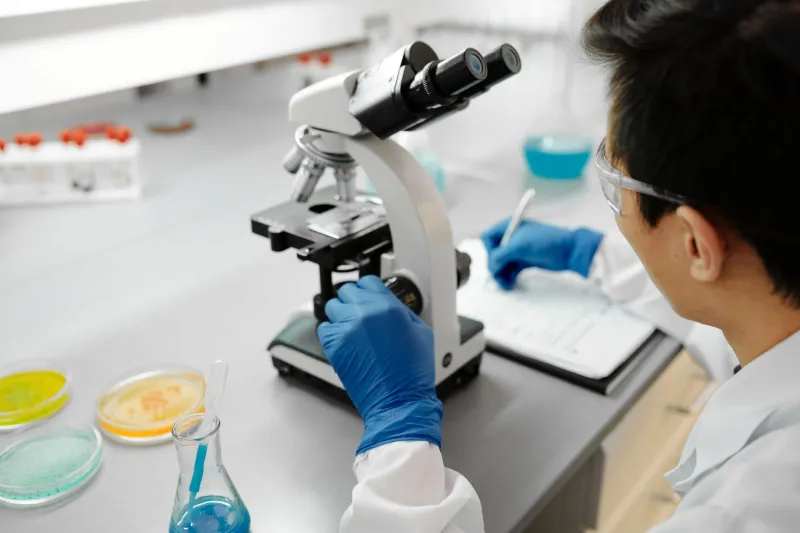
We talked to scientists at independent cannabis testing facilities in three states. None of them were willing to go on the record by name — the industry is small, and labs depend on cultivator clients to stay in business. But what they described was consistent and troubling.
"We regularly see samples come in with residues of compounds we're not required to screen for," one lab director told us. "We know they're there because we run broader internal panels for research purposes. But our official report? It shows a pass because we're only certifying against the state list."
Another scientist put it more bluntly: "The certificate of analysis is a compliance document. It tells you the producer met the minimum bar. It doesn't tell you what else is in the product."
The pesticides most likely to slip through fall into a few categories. Myclobutanil — the fungicide that converts to hydrogen cyanide when combusted — has been found in cannabis products in multiple states despite being banned for cannabis use. Abamectin, a neurotoxic insecticide, shows up in lab research scans at rates that concern scientists even when it's technically below state action levels. And a rotating cast of "inert" ingredients in pesticide formulations aren't required to be disclosed or tested for at all.
Flower vs. Concentrates: An Uneven Playing Field
Here's where it gets worse for concentrate consumers. When you take cannabis flower and process it into a wax, shatter, live resin, or cartridge, you're doing more than changing the format — you're concentrating everything in the plant material, including any contaminants. A pesticide residue that sits at a "safe" level in raw flower can multiply several times over in a finished concentrate.
Some states have begun to account for this with separate, lower action levels for concentrates. Others haven't updated their standards since concentrates became a dominant product category. If you're a regular cartridge or dab consumer and your state doesn't have concentrate-specific pesticide thresholds, you're operating in a gap the regulations haven't closed.
The Corporate Comfort Problem
It would be one thing if these testing gaps existed because the science was still catching up. But scientists have known for years which pesticides are most commonly used in cannabis cultivation and which ones pose the greatest inhalation risks. The reason many state testing panels remain narrow isn't ignorance — it's the cost of compliance.
Expanding a required testing panel means cultivators need to pay for more comprehensive lab work. It means some operations that are currently passing would start failing. It means recalls, market disruptions, and the kind of headlines that make investors nervous. Large multi-state operators (MSOs) with the resources to upgrade their cultivation practices quietly support narrow testing requirements because they can afford compliance either way — and because a more rigorous standard creates a barrier that keeps smaller competitors out.
This is the same dynamic we've seen play out across legal cannabis regulation: rules that look protective on paper but function, in practice, as tools that consolidate market power.
What You Can Actually Do Right Now
The regulatory fight is a long game. In the meantime, here's how to be a more protected consumer.
Ask for the full COA, not just the summary. Most dispensaries can pull the complete certificate of analysis for any product. Look at which specific pesticides were tested. If the list is short — fewer than 50 compounds — that's a yellow flag.
Look for voluntary broader testing. Some cultivators and brands voluntarily test against wider panels than their state requires and advertise it. This is increasingly a market differentiator among premium brands who actually want to compete on safety.
Prioritize certified organic where available. The USDA organic certification doesn't apply to cannabis federally, but some states have created their own "clean cannabis" or "sun-grown" certification programs with stricter pesticide restrictions. California's Clean Green Certified and similar programs are worth researching.
Ask your budtender directly. "Does this brand test beyond the state minimum?" is a completely reasonable question. If the person behind the counter doesn't know, ask them to find out. Your curiosity creates accountability.
Be skeptical of "all-natural" marketing. Natural pesticides — including neem oil, which contains azadirachtin — can still be harmful when inhaled. "Organic" inputs aren't automatically safe inputs in a combustion or vaporization context.
The Bottom Line
Legal cannabis was supposed to be safer than the black market precisely because of testing and regulation. And in many ways it is — you're less likely to find fentanyl or mold in a licensed product than in something sourced off the street. But "safer than the black market" is a low bar, and the industry has been content to clear it without doing the harder work of actually protecting consumers.
You deserve to know what's in the product you're buying. The certificate of analysis is a start, not a finish line. Until states close the testing gaps — and until the political will exists to push back against industry influence in setting those standards — staying informed is your best defense.
Ask questions. Read labels. Demand more. That's not paranoia. That's exactly what an informed cannabis consumer looks like.