More THC, More Problems: The Cannabis Potency Myth Nobody in the Industry Wants to Talk About
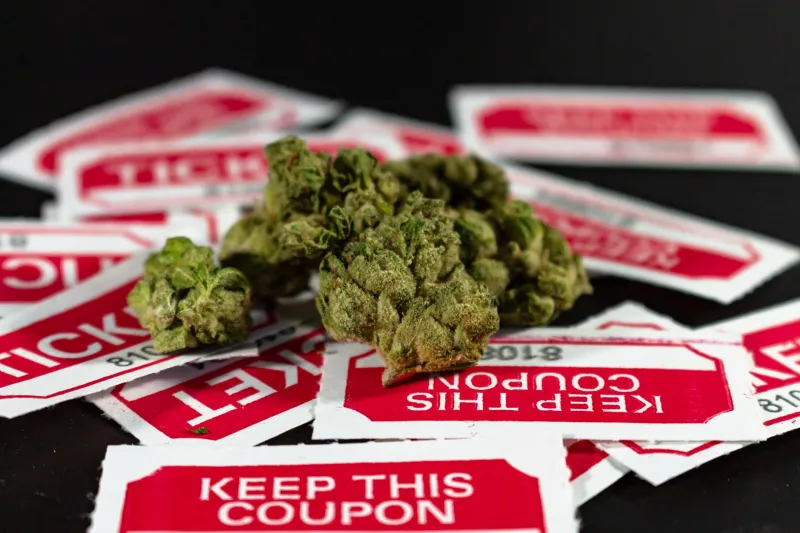
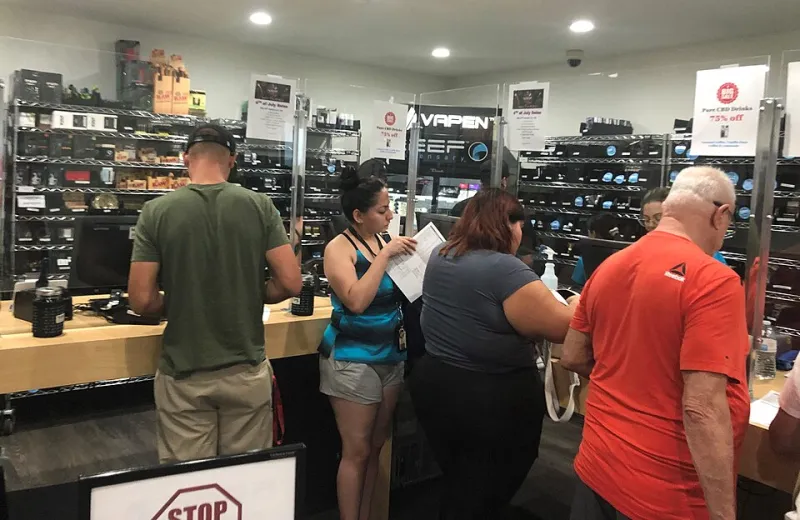
Walk into almost any dispensary in America right now and you'll notice something. The labels are basically flexing at you. Thirty percent THC. Thirty-three. "Premium." "Fire." "Top shelf." The budtender might as well be a personal trainer telling you to go heavier on the weights. More is more, right?
Not even close.
The cannabis industry has quietly built itself around a potency myth — the idea that higher THC automatically equals a better experience. It's great for marketing. It's not so great for actual consumers trying to figure out what they actually need.
How We Got Here
The potency arms race didn't happen by accident. When legalization started rolling out state by state, newly legal cannabis businesses needed ways to differentiate themselves. Price competition is brutal. Quality is hard to communicate quickly. But a number? A number sells.
"It became the same as alcohol proof," says Dr. Aisha Winters, a cannabis researcher based in Colorado who has spent years studying consumer behavior in legal markets. "People assume higher proof means better whiskey. It doesn't. And higher THC doesn't mean a better high — but it's a shortcut that works in a retail environment where you have about 45 seconds to make a sale."
Dispensaries also face a practical problem: their inventory gets judged by consumers who've been trained — largely by the industry itself — to scan for that THC percentage first. Stock a bunch of 18% flower next to a competitor's 28%, and watch where the customers reach. The incentive to push potency is baked into the business model.
What the Science Actually Says
Here's where it gets interesting, and honestly a little inconvenient for the high-percentage hype machine.
A landmark study published in JAMA Psychiatry found that people who consumed high-potency cannabis didn't actually get more intoxicated than those who consumed lower-potency products — they just experienced more negative side effects. Anxiety. Paranoia. Racing heart. The kind of stuff that makes people swear off weed entirely, or spend an unpleasant afternoon convinced they've accidentally broken reality.
The reason has to do with how your endocannabinoid system works. Once THC receptors are saturated — and that threshold varies significantly from person to person — you're not getting higher. You're just adding stress to your body with no corresponding benefit. Think of it like trying to charge a full battery. The electricity has to go somewhere, and it's not going somewhere good.
There's also the entourage effect to consider. Terpenes, minor cannabinoids like CBG and CBN, and even CBD interact with THC to shape the actual experience. A flower at 20% THC with a rich terpene profile can deliver a more nuanced, enjoyable, and functional high than a 32% isolate-boosted product that's been stripped of everything except the number on the label.
"I always tell people, don't chase the percentage — chase the feeling," says Marcus Delgado, a longtime budtender at a Denver dispensary. "The best weed I ever had tested at like 17%. But the terps were incredible. It was a whole experience. The 30% stuff? Half my customers come back saying it made them anxious or they just fell asleep."
Real Consumers, Real Consequences
Jamie, a 29-year-old graphic designer in Portland, Oregon, spent about two years buying whatever had the highest THC number at her local shop. "I genuinely thought I was getting the best value," she says. "More THC, more bang for my buck. But I kept having these experiences where I'd get way too in my head, couldn't be social, sometimes felt almost sick."
It took a budtender finally asking her what she actually wanted from cannabis — relaxation, creativity, socializing — before she started trying products based on use case rather than percentage. "I switched to this 19% sativa-leaning hybrid with a ton of limonene and pinene. I use it when I'm working. It's completely changed my relationship with weed."
That's a story that plays out constantly in legal markets, but it's one the industry has little financial incentive to amplify. Helping consumers find their sweet spot often means steering them away from the premium-priced, high-THC products sitting at the top of the menu.
Finding What Actually Works for You
So how do you cut through the marketing noise and figure out what your cannabis experience should actually look like? A few practical starting points:
Start lower than you think you need to. If you're newer to cannabis or returning after a break, products in the 10-18% THC range give you room to gauge your response without overwhelming your system. You can always consume more. You cannot consume less.
Read the terpene profile, not just the THC number. Ask your budtender what terpenes are dominant. Myrcene tends toward relaxation. Limonene often elevates mood. Pinene can sharpen focus. These are real, measurable compounds that shape your experience in ways that raw THC percentage simply doesn't.
Consider CBD ratio products. A 1:1 or 2:1 THC:CBD ratio can soften the edges of THC's effects, reducing anxiety and allowing for a more functional, sustained experience. These products are often overlooked precisely because they don't have a flashy potency number.
Keep a simple journal. Note the strain, the THC/CBD percentages, the dominant terpenes, and how you felt. After a handful of entries, patterns emerge. You'll start to understand your own endocannabinoid system better than any label can tell you.
Ignore the top shelf reflex. Premium pricing in cannabis often reflects branding, packaging, and marketing more than it reflects a superior experience for your specific needs. Some of the most effective cannabis products sit in the mid-range.
The Industry Needs to Do Better
This isn't just a consumer education problem. Dispensaries and brands have a responsibility here too. The good news is some of them are starting to get it. A handful of retailers have begun organizing their menus around effect categories — energizing, relaxing, creative, sleep — rather than leading with THC percentages. It's a small shift, but it's a meaningful one.
True advocacy for cannabis consumers means being honest about what the plant does and doesn't do. Legalization was supposed to bring transparency to an industry that operated in shadows. Using that transparency to push people toward products that don't serve them — just because those products carry a bigger number — is a betrayal of what legalization promised.
Free the weed, sure. But free the consumer too. Free them from the idea that they need to chase a percentage to have a meaningful experience. Free them from the anxiety spiral that comes from consuming way more than their system actually wanted. Free them to figure out what cannabis genuinely does for them, on their own terms.
The sweet spot is different for everyone. The only way to find it is to stop letting a label tell you what it should be.