Seed by Seed: The Grassroots Fight to Keep Cannabis Genetics Out of Corporate Hands
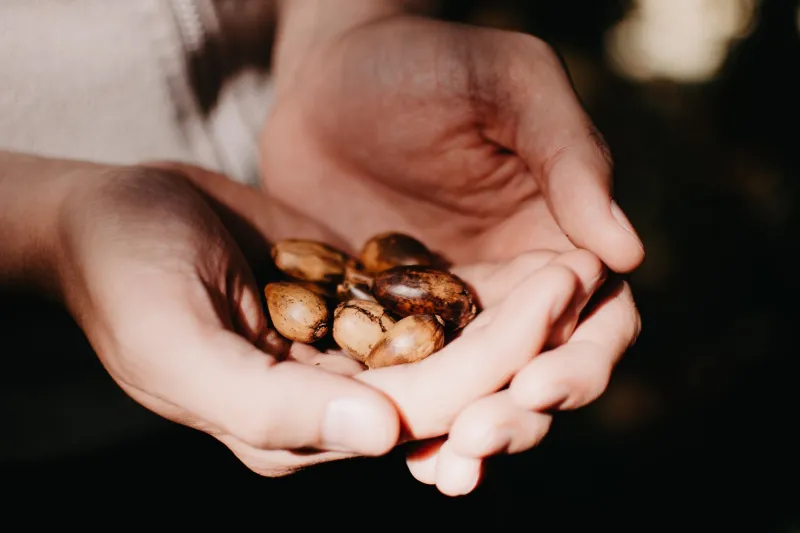
Somewhere in a climate-controlled room in rural Oregon, a retired schoolteacher is cataloging cannabis seeds the way a museum curator handles ancient artifacts. She's got hundreds of varieties — landrace strains from Afghanistan, old-school Californian cultivars that haven't been commercially available since the '90s, experimental crosses she's been developing for nearly a decade. She doesn't sell them. She trades them, shares them, and stores backups with a network of growers she's never met in person but trusts completely.
"If I don't do this," she told a regional cannabis publication last year, "nobody does. And then it's gone forever."
This is the cannabis seed bank revolution, and it's happening quietly, urgently, and almost entirely outside the spotlight of the legal industry's glossy dispensary culture.
What's Actually at Stake
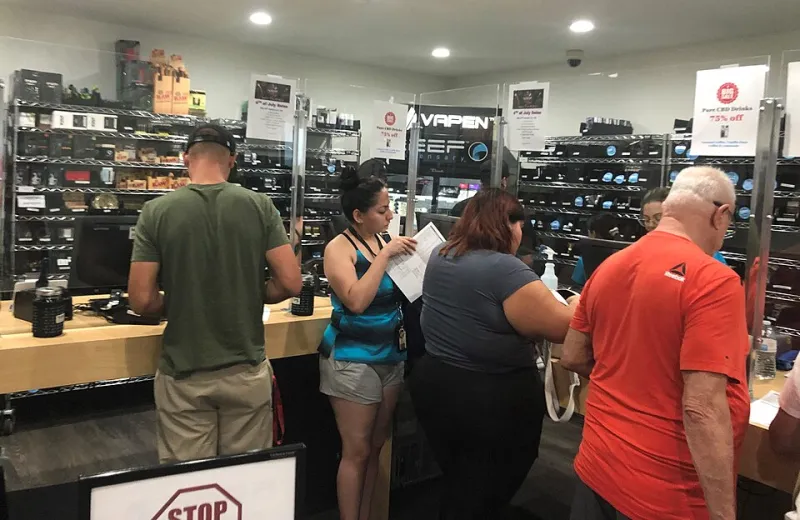
When people talk about corporate consolidation in the cannabis industry, the conversation usually centers on dispensary chains gobbling up mom-and-pop shops, or multistate operators squeezing out equity license holders. That's real and worth fighting. But there's a layer deeper than retail — the genetic layer — that doesn't get nearly enough attention.
Cannabis genetics are the foundation of everything. The flavor, the potency, the medicinal profile, the growing characteristics — it all starts with the seed. And right now, a handful of large-scale commercial operations are quietly accumulating intellectual property claims over specific strains, filing patents on unique cannabinoid profiles, and building proprietary breeding programs that could, over time, make independent cultivation legally and economically impossible.
This isn't paranoia. It's already happened in other crops. The story of how a small number of agricultural corporations came to control the majority of the world's corn, soy, and cotton seed supply is a cautionary tale that cannabis advocates are desperately trying not to repeat.
The Breeders Holding the Line
The people pushing back aren't waiting for a policy solution. They're acting now, building parallel systems that keep genetics accessible regardless of what happens in boardrooms or legislatures.
Seed libraries — modeled loosely on the public library concept — have been popping up in legal states across the country. Some operate through cannabis co-ops. Others function as informal networks, where members contribute seeds and can withdraw varieties they want to grow. A few have gone digital, maintaining detailed databases of strain lineages, growing notes, and phenotype documentation that function as open-source archives anyone can reference.
Independent breeders are a critical piece of this ecosystem. Unlike commercial operations chasing the highest-THC numbers for dispensary shelves, these cultivators are often working to preserve genetic diversity for its own sake — stabilizing rare landrace genetics, developing strains with unusual terpene profiles, or breeding for specific therapeutic applications that the mainstream market ignores because they don't test flashy.
Many of these breeders operate in legal gray areas, even in states where home cultivation is permitted. Selling seeds across state lines remains federally illegal regardless of the source state's laws, which means a lot of this preservation work happens through trades, gifts, and community sharing rather than commerce. It's not a perfect system. But it's a functioning one.
Why Biodiversity Isn't Just a Buzzword
Here's something the average dispensary customer probably doesn't think about: the legal cannabis market has already narrowed the genetic diversity of commercially available cannabis significantly. The pressure to produce consistent, high-THC flower that photographs well and tests above a certain threshold has pushed the industry toward a relatively small pool of genetics. Walk into most dispensaries in any legal state and you'll find the same handful of strain families dressed up under different brand names.
This monoculture problem isn't just boring — it's fragile. Agricultural history is full of examples of what happens when a crop loses its genetic diversity. The Irish Potato Famine happened, in large part, because a single variety of potato dominated the entire country's supply. When a blight hit that variety, there was nothing left to fall back on.
Cannabis isn't potatoes, but the principle holds. A genetically diverse cannabis ecosystem is more resilient to pests, disease, and climate shifts. It also preserves options for future medical research — some of the most promising cannabinoid and terpene combinations haven't even been studied yet, and they exist in strains that are currently being pushed out of commercial circulation.
Digital Archives and the Open-Source Future
One of the most exciting developments in the seed preservation movement is the push toward open-source genetic documentation. Think of it like GitHub, but for weed.
Several community-driven projects are building detailed digital records of strain genetics, complete with lineage maps, phenotype descriptions, and cultivation data contributed by growers across the country. The goal isn't to replicate physical seed banks — it's to create a knowledge base that can't be bought, patented, or locked behind a corporate firewall.
Some of these projects are explicitly structured to resist intellectual property claims. By publishing genetic and phenotype information openly and broadly, they create what's called "prior art" — a legal concept that can prevent companies from later patenting the same genetics and claiming exclusive rights.
It's a clever strategy, and it's working. At least a few patent applications from commercial cannabis operations have reportedly been challenged or abandoned after community-documented prior art entered the record.
What You Can Do Right Now
You don't have to be a master breeder or a seed librarian to be part of this movement. If you're in a state that allows home cultivation, growing from seed — especially from independent breeders rather than corporate-affiliated sources — is a direct act of participation. Every time you choose a small-batch seed company over a brand owned by a multistate operator, you're voting with your wallet.
If you grow, save seeds. Even imperfect preservation is better than none. Share genetics with other growers in your community. Document what you're working with and contribute that documentation to open-source archives when you can.
And pay attention to the policy conversations happening in your state. Home cultivation rights, seed sharing regulations, and intellectual property protections for plant genetics are all areas where advocacy can make a real difference. The same energy that's driven cannabis legalization forward can be channeled into protecting the genetic commons that makes all of this worth fighting for.
The Stakes Are High — Literally
The cannabis plant has been shaped by thousands of years of human cultivation and natural selection. It belongs to the people who grow it, use it, and love it — not to the corporations that arrived late to the party and started filing paperwork.
The seed bank revolution isn't flashy. It doesn't have a lobbying arm or a PR budget. It's just a retired schoolteacher in Oregon and thousands of people like her, doing painstaking work to make sure the future of cannabis stays open.
That's worth celebrating. And worth protecting.